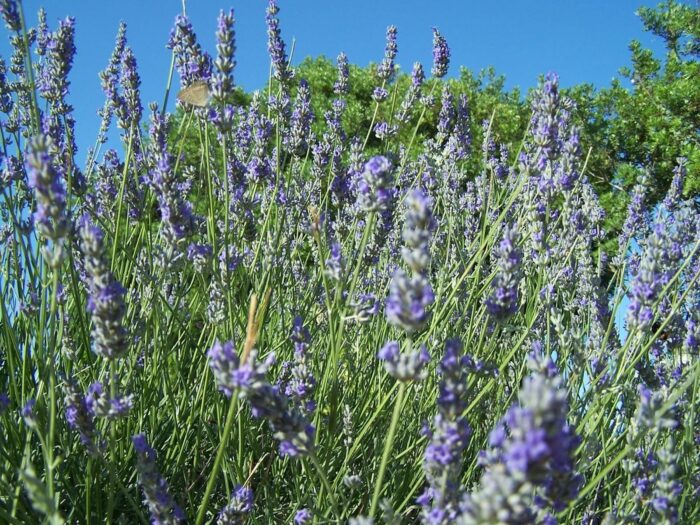
Val d’Orcia is famous for its postcard landscapes: neat rows of vines, medieval villages, and rolling hills that look like waves. But those of us who live and work along these paths know there is another kind of richness here, more discreet and surprising: wild herbs. They grow along vineyard edges, among olive groves, near ditches and paths, and they tell an ancient story of rural cooking and seasonality.
They are the most overlooked part of our landscape, yet they are one of the truest expressions of Val d’Orcia’s biodiversity. They thrive thanks to lightly treated soils, extensive farming, and a natural balance that is still intact. This is why species that are becoming rare elsewhere still grow here: wild fennel, borage, nettle, water mint, dandelion, and in some areas, the precious nepitella.
To us, these small and precious guardians of balance and nature are an invitation to serendipity. They grow freely, and you come across them when you least expect it. They surprise you with ancient flavors, from a time when cooking meant working with what the season offered and turning it into something meaningful.
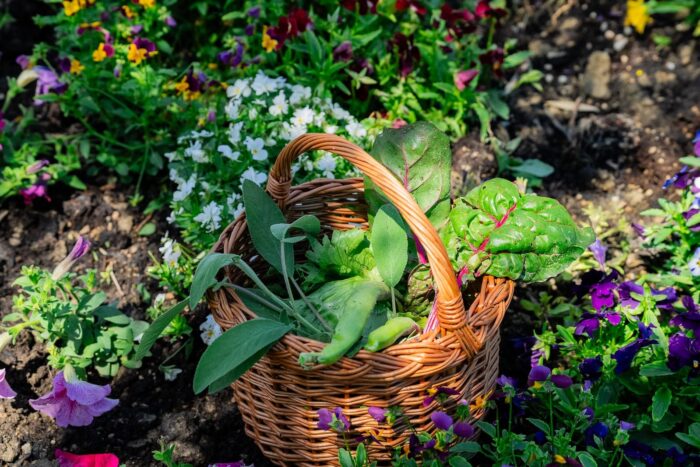
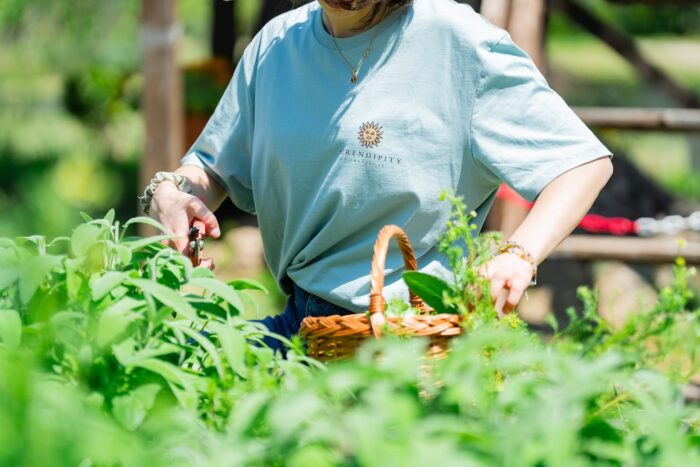
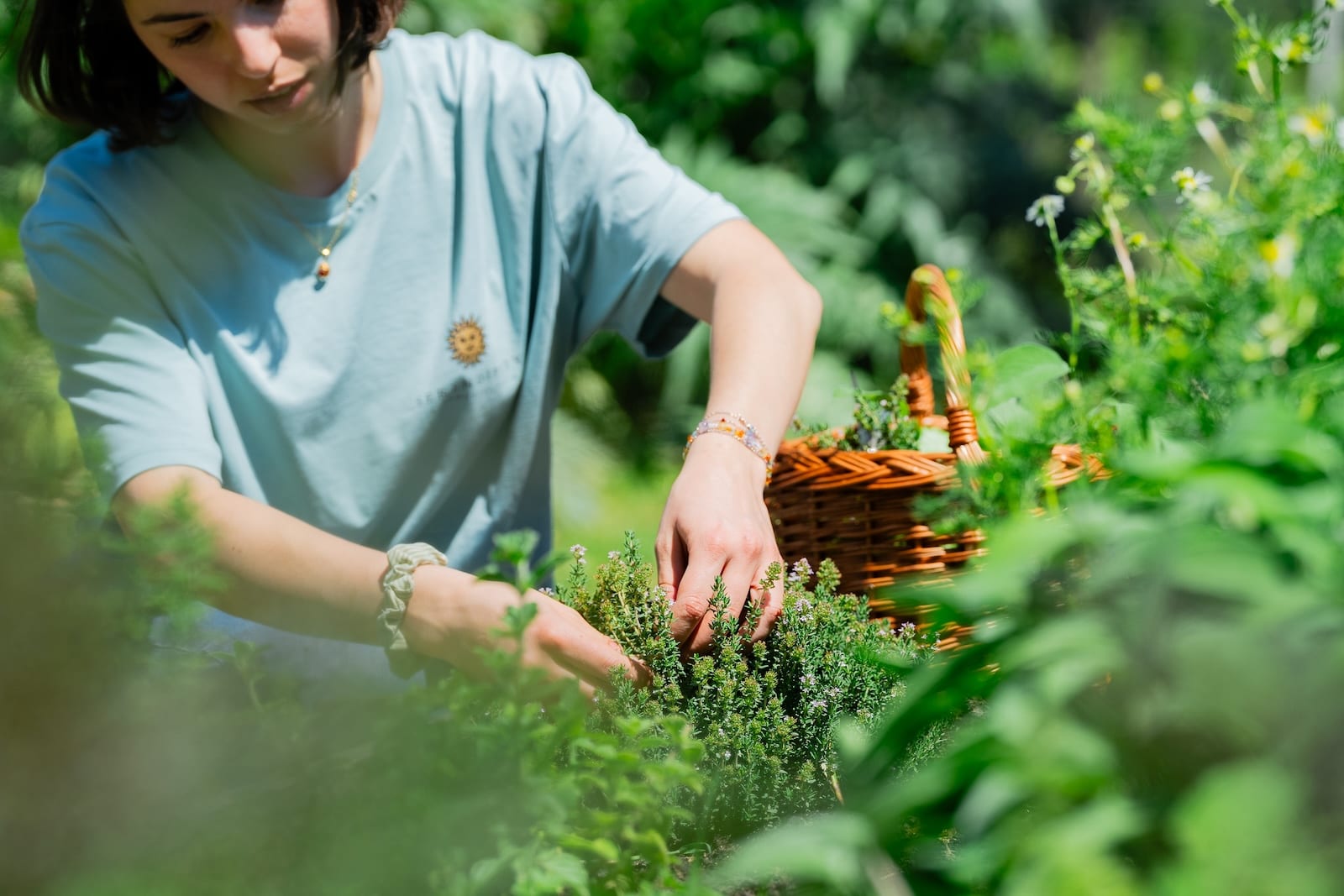
Knowing how to gather wild herbs is essential. They are hand-picked using traditional baskets, always far from traffic and treated land. We take only what we need, leaving the plant enough to regenerate and continue its cycle.
At Serendipity, using wild herbs in our kitchen is an ongoing commitment that we try to deepen every day. We include edible flowers and wild herbs on our boards, so guests can experience these flavors just as they are when freshly picked. We also use them in our dishes: dandelion in salads, nettle in omelets, and wild fennel in soups and broths.
They are simple ingredients, but they carry the landscape with them, straight from the land to the table.