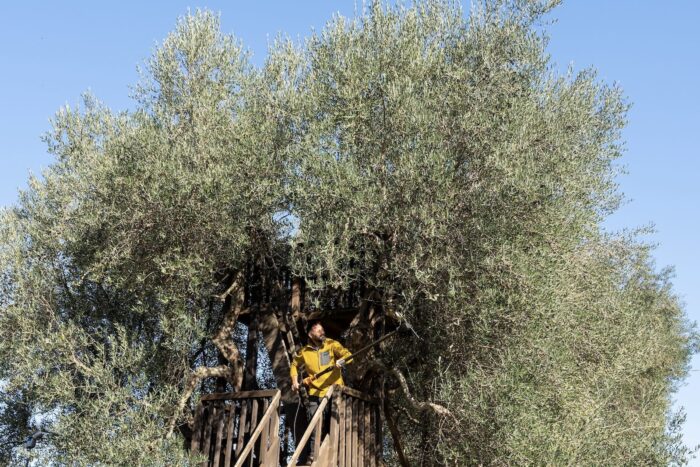
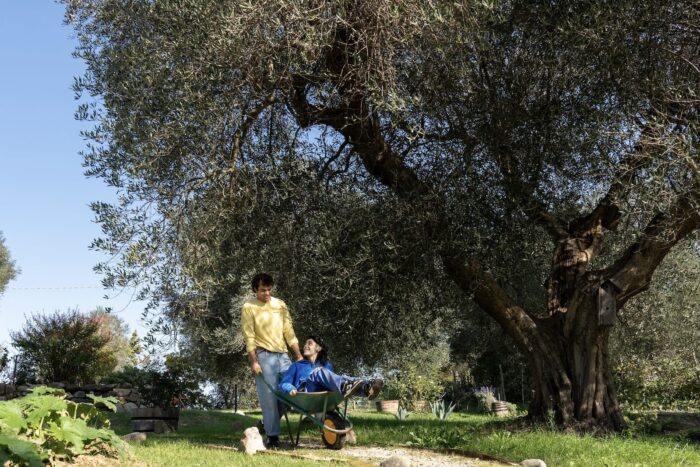
The olive tree has always been a symbol, a presence that stretches across centuries. Here at Serendipity, its gnarled, silvery shape lines the path around our animals, quietly marking the landscape.
For the Etruscans, the olive tree was precious and sacred. They cultivated different varieties as early as archaic times, using olive oil in everyday life for cooking, cosmetics, lighting, and rituals, but also valuing the strong symbolic meaning carried by the tree itself. The olive tree represented life and peace, as well as a connection to the gods and to the world of ancestors.
Archaeobotanical research has confirmed the presence of cultivated olive trees as early as the 8th to 6th century BC, especially in the coastal and hilly areas of southern Etruria, where the climate was particularly suitable.
Today, this tradition lives on through careful and conscious choices, closely tied to the land and to quality.
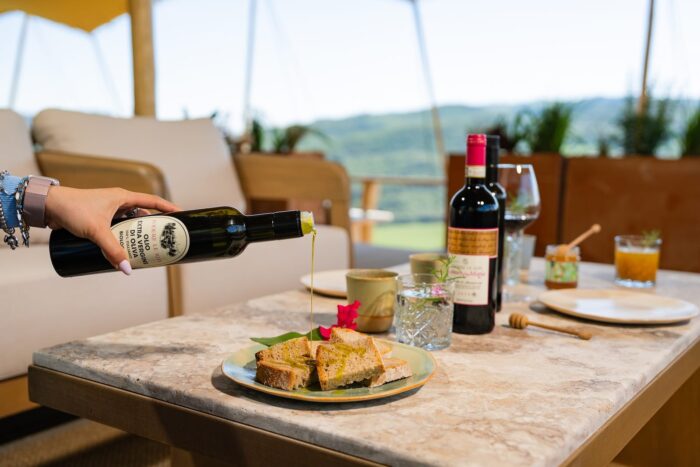
Here at Serendipity, we produce a single-variety olive oil from Olivastra, an elegant and distinctive cultivar with delicate aromas, light herbal notes, and a beautifully balanced bitterness and spiciness. It is an oil that pairs perfectly with simple yet refined dishes: seasonal vegetables, soups, fish, or white meats. It enhances flavors without overpowering them, just as it does in several dishes on our menu.
Alongside this, we also produce a blend of traditional Tuscan cultivars (Leccino, Moraiolo, and Frantoiano) which represents a more classic and intense expression of our territory. More structured and bold, with pronounced vegetal notes and a lively character, it pairs beautifully with dishes that have stronger flavors: meats, legumes, toasted bread, and preparations that call for an oil capable of supporting and enriching the taste.
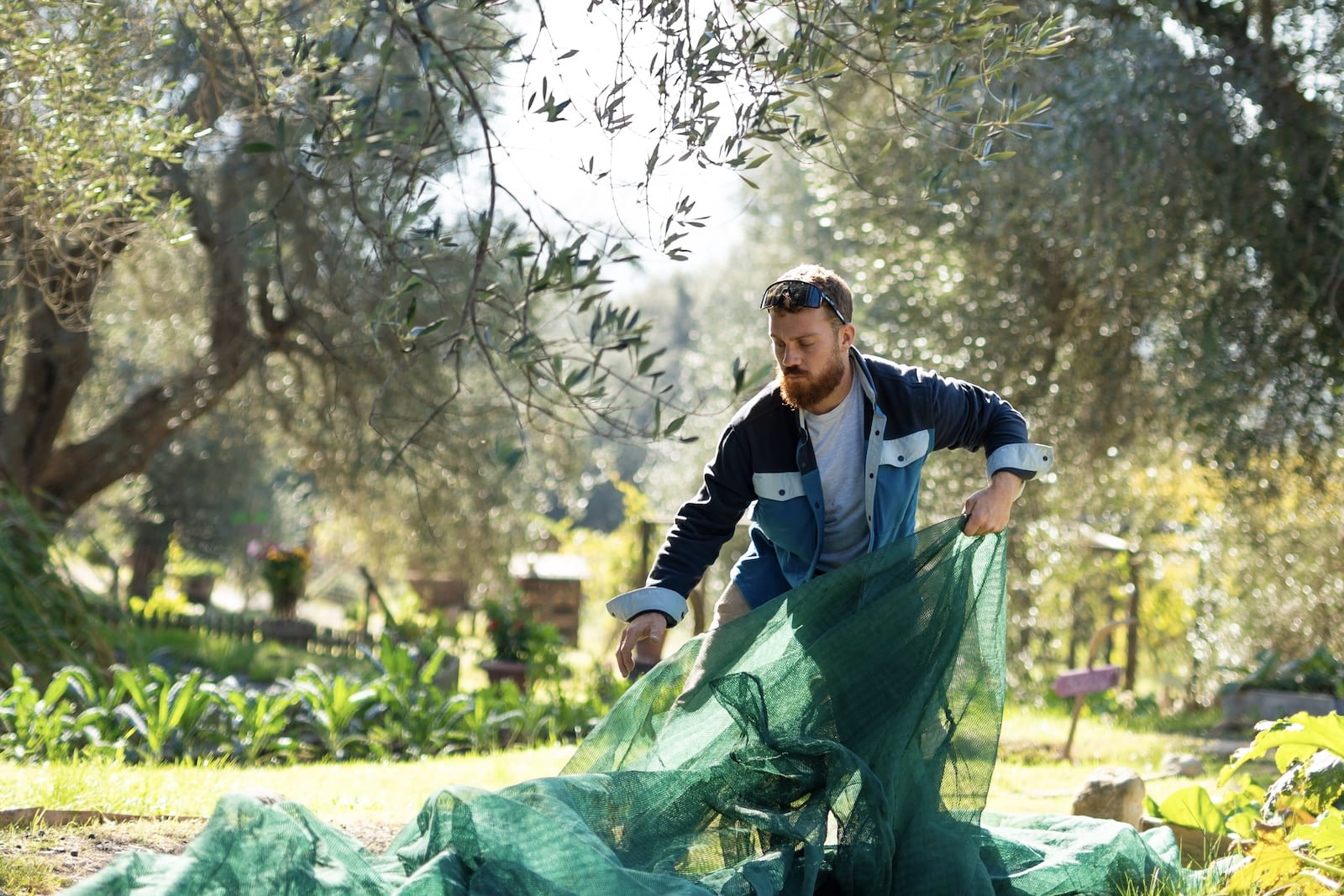
Our olive trees are not just part of the landscape; they are the heart of our daily work, shaped by care, respect for natural rhythms, and attention to detail. Every tasting tells a living story of continuity between past and present, one that finds its most authentic expression at the table.