When I first arrived here in the middle of Val d’Orcia, I knew very little about biodynamics and all it entailed. I knew about the lunar calendar only when I had to cut my hair—and I wasn’t sure about the hairdresser, so I looked for the waxing moon to have my haircut. This way, my hair would grow back fast if I didn’t like the result! Little did I know, it was also very useful for gardening.
If you’ve spent any time around biodynamic growers, you’ve probably heard someone mention “planting with the moon” the way other people mention checking the weather forecast — as if it were the most ordinary thing in the world. Well I can tell you, it isn’t ordinary, but it isn’t mysterious either, once someone explains it properly. So consider this that explanation!
The lunar planting calendar is built on the observation that the moon’s monthly cycle — new moon to full moon and back again — seems to influence moisture and, some growers believe, sap flow and germination in plants, in something like the way it pulls the tides. Whether or not you find the mechanism scientifically convincing, the practice itself is centuries old, and plenty of growers who don’t consider themselves mystical at all still swear by the rhythm it gives their work.
There are two layers to it, and it’s worth telling them apart.
Layer One: Waxing and Waning
This is the simpler half. The moon’s cycle is divided into two phases:
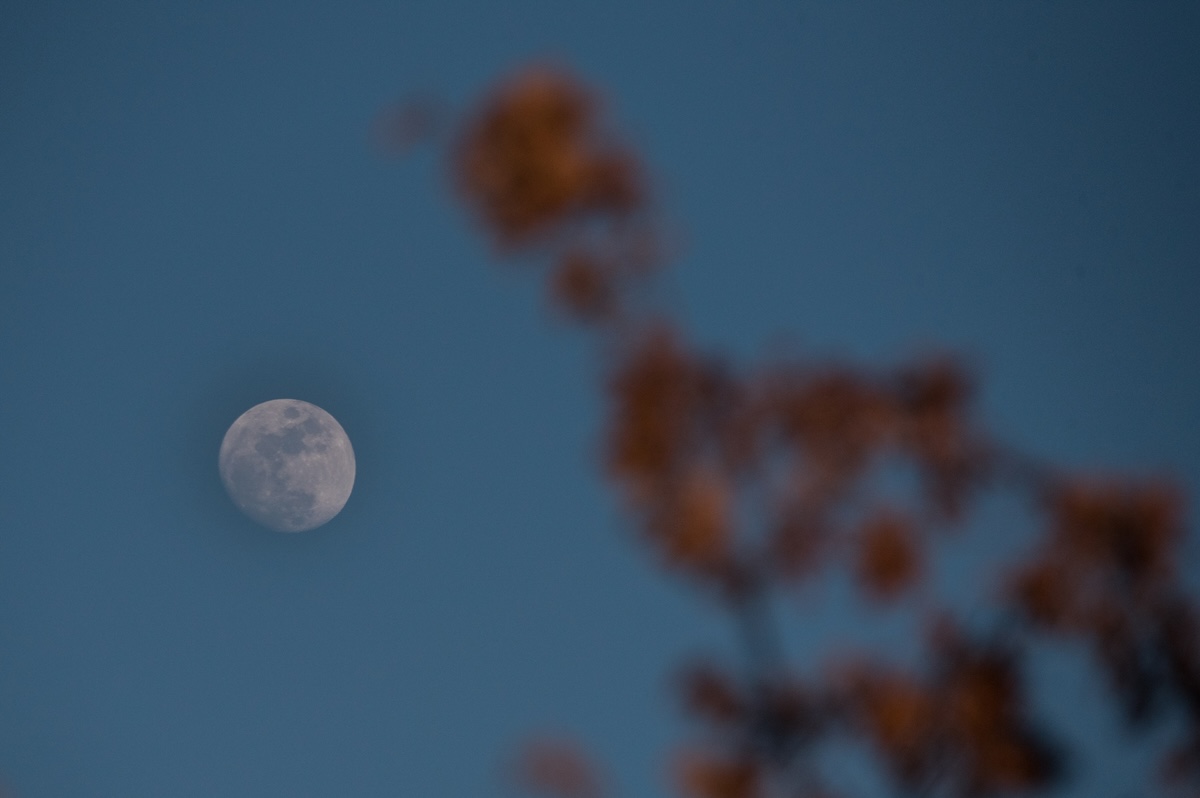
- Waxing moon (from new moon to full moon): the light is growing. Traditionally considered the time to plant anything that grows above ground and that you harvest for its leaves, fruit, or flowers — lettuce, tomatoes, beans, flowers, herbs you’ll cut for their leaves.
- Waning moon (from full moon back to new moon): the light is shrinking. Traditionally the time to plant anything that grows below ground — root vegetables, bulbs, and it’s also considered the better window for pruning, weeding, and harvesting, since growth is thought to slow and cuts are said to heal more cleanly.
That’s the whole first layer: up during waxing, down during waning. Simple enough to remember without a chart.
Layer Two: The Zodiac Constellations
This is where biodynamic calendars get more specific, and where a lot of newcomers (me at the beginning) politely raise an eyebrow. As the moon moves through its monthly cycle, it also appears to pass in front of different constellations of the zodiac, spending roughly two to three days in front of each one. Biodynamic tradition groups these twelve constellations into four elements, and assigns each element to a category of plant:
- Earth signs (Taurus, Virgo, Capricorn) — root days, for anything grown for its roots.
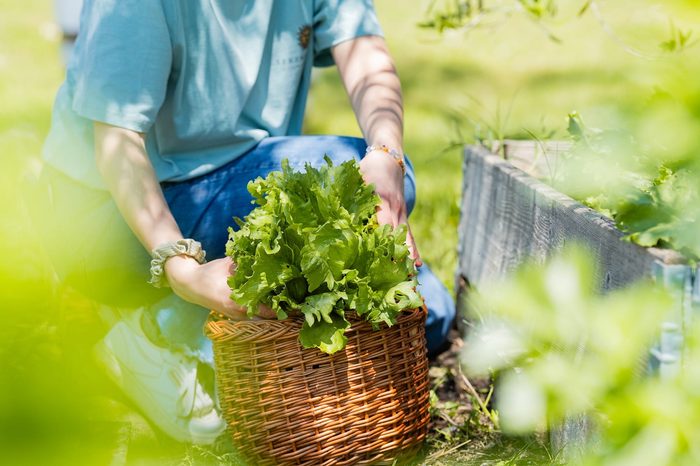
- Water signs (Cancer, Scorpio, Pisces) — leaf days, for leafy greens and anything grown for foliage.
- Air signs (Gemini, Libra, Aquarius) — flower days, for anything grown for its blossoms, including flowers meant to go to seed.
- Fire signs (Aries, Leo, Sagittarius) — fruit and seed days, for fruiting plants and anything you’re sowing from seed.
Put the two layers together and a biodynamic calendar might tell you, for instance, that a Tuesday is both a waxing moon and a “leaf day” — a good day, by this logic, to sow basil or lettuce.
Since there’s a lack of evidence on all of this, many people remains quite skeptics. What I think is that, efficent or not, following a lunar calendar forces people on paying closer attention to your garden’s actual weekly rhythm, watching moisture and growth stages more carefully, simply because you’re checking the calendar in the first place. That attentiveness alone tends to make people slightly better gardeners, moon or no moon.
It’s a small shift, and it costs nothing to try. And if nothing else, it gives you a good story to tell your guests over dinner about why tonight’s salad was picked on a leaf day.